



Shoe Modifications
Pedorthic shoe modification is a process of making adjustments or alterations to a shoe to accommodate the specific needs of an individual's feet. Working with a trained Pedorthist ensures the modification is safe and provides the desired level of support and comfort.
Understanding Pedorthic Modifications
Medical-grade footwear refers to shoes designed to provide extra support and stability. Our workshop can modify footwear to address a wide range of conditions and biomechanical needs.
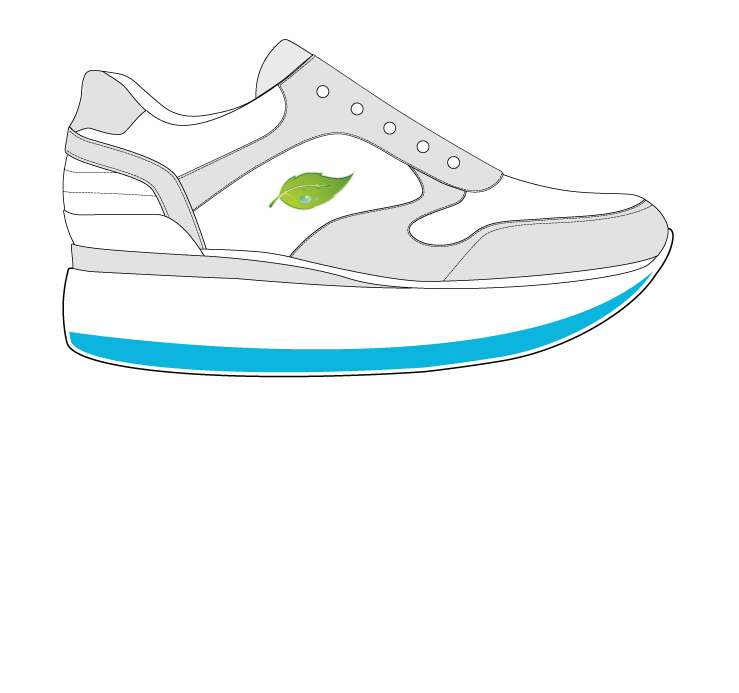
Heel and Toe Rocker Sole
This rocker rolls at both the heel and toe while keeping a level mid-stance area for balance. It assists with energy transfer and delays heel strike, causing a longer stride.
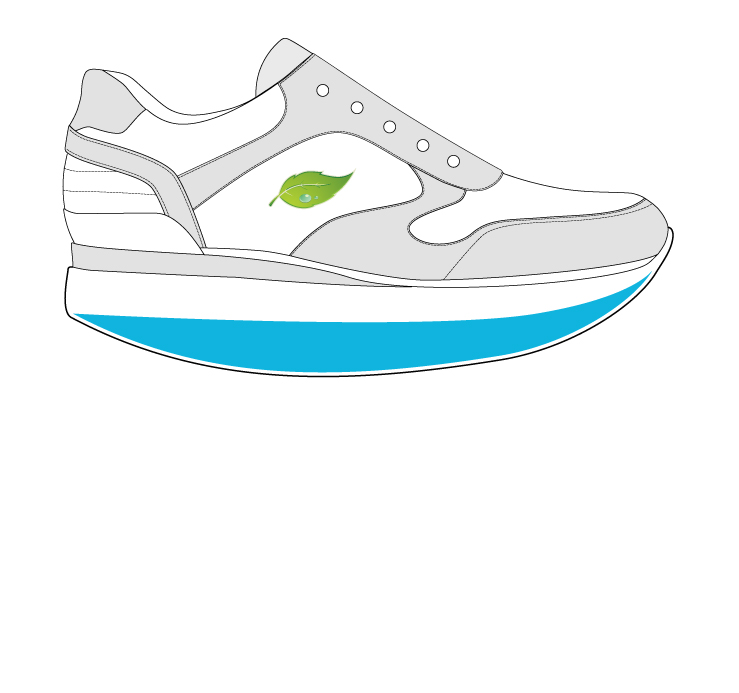
Full Length Rocker Sole
Full rocker offers a continuous roll from heel to toe. Not suitable for those with balance issues.

Negative Rocker Sole
Forefoot rocker with the heel lower than the forefoot. Transfers body weight proximally and reduces forefoot pressure. Dorsiflexion and Achilles issues must be considered.
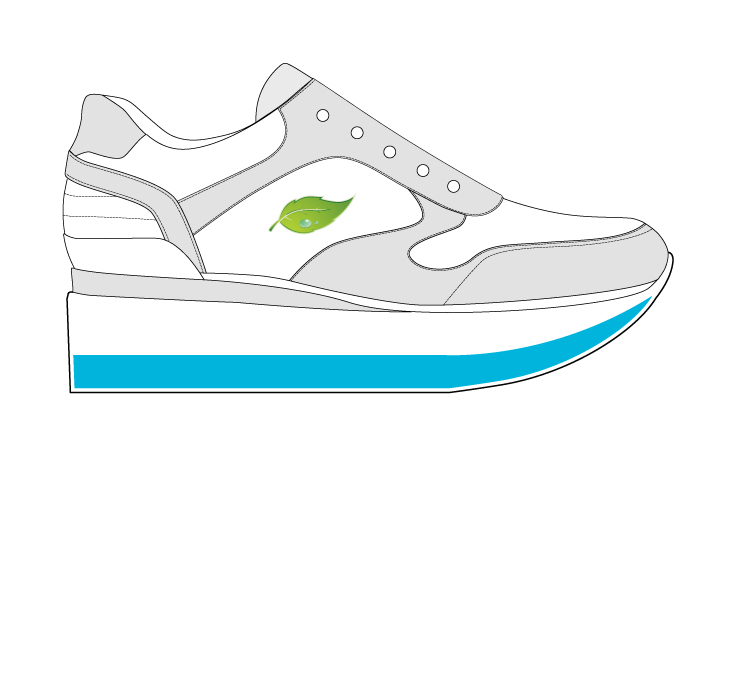
Forefoot Rocker Sole
Only rocks forward from the metatarsal heads forward to the toes. Assists with met offload during ambulation and forward propulsion and toe-off.
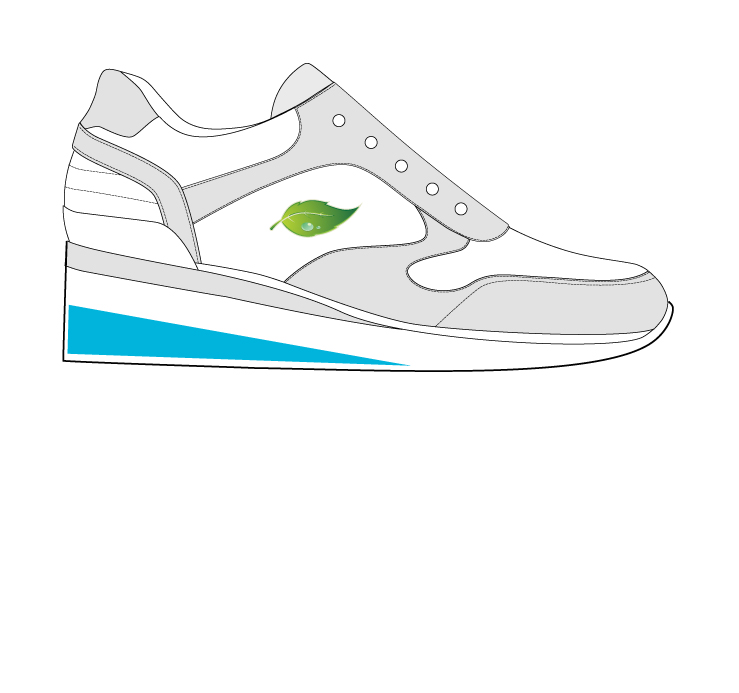
Heel Raise
Heel raises indicated for equinus or achilles tendonitis issues. Sometimes used for small LLDs. Increased pressure on the forefoot should be considered.
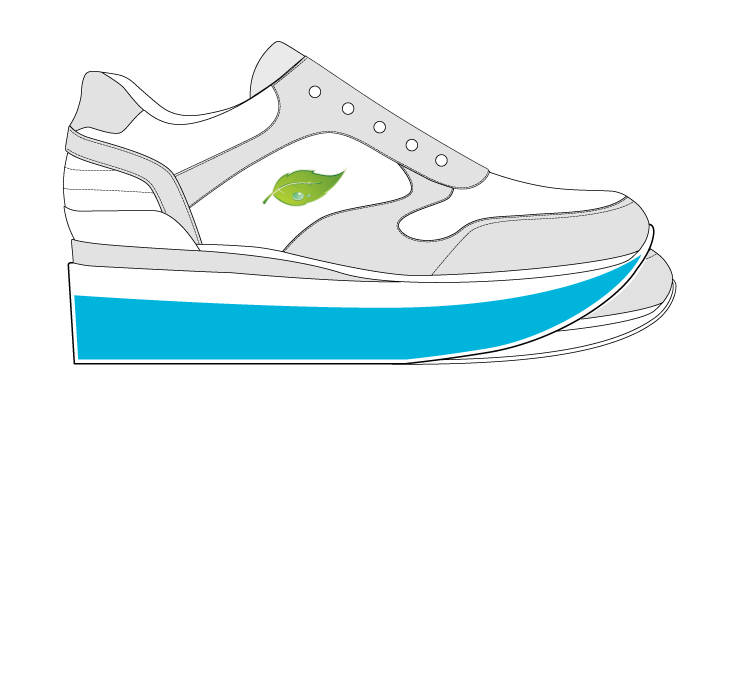
Leg Length Discrepancy Buildup
Used to correct leg length differences. The buildup can be applied to the heel and/or sole to achieve the required height compensation.
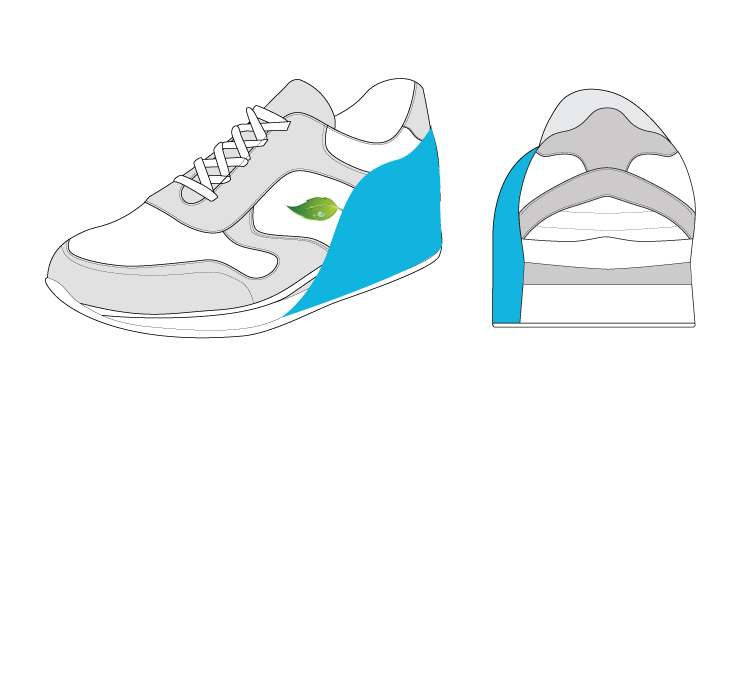
Buttress
Used to stabilize the ankle, can be either on the medial or lateral side. Supports the foot and widens the base of support to help control abnormal motion.
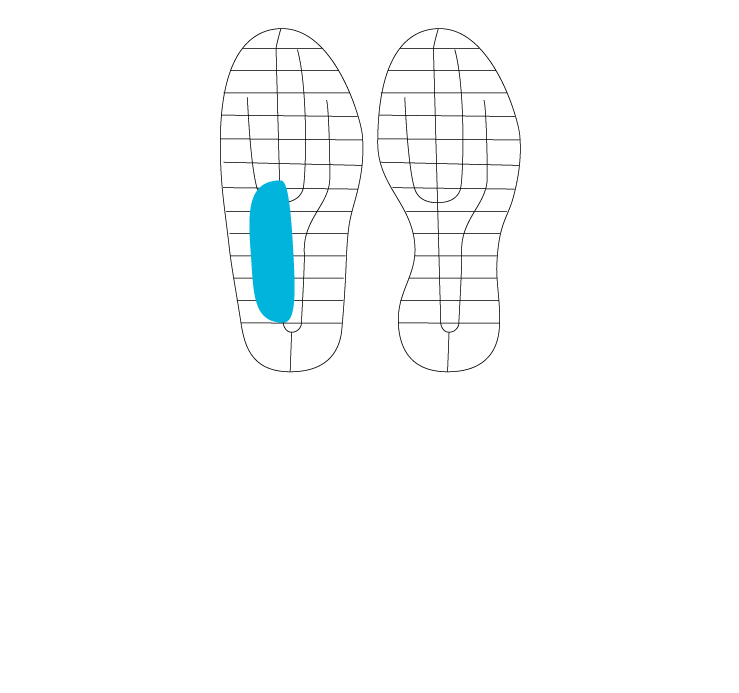
Widen Mid-Foot / Relasting
The width of footwear can be increased for those with a larger mid-foot shape. Shoes can be widened at the heel or mid-foot. Shoe size and quality should be considered.
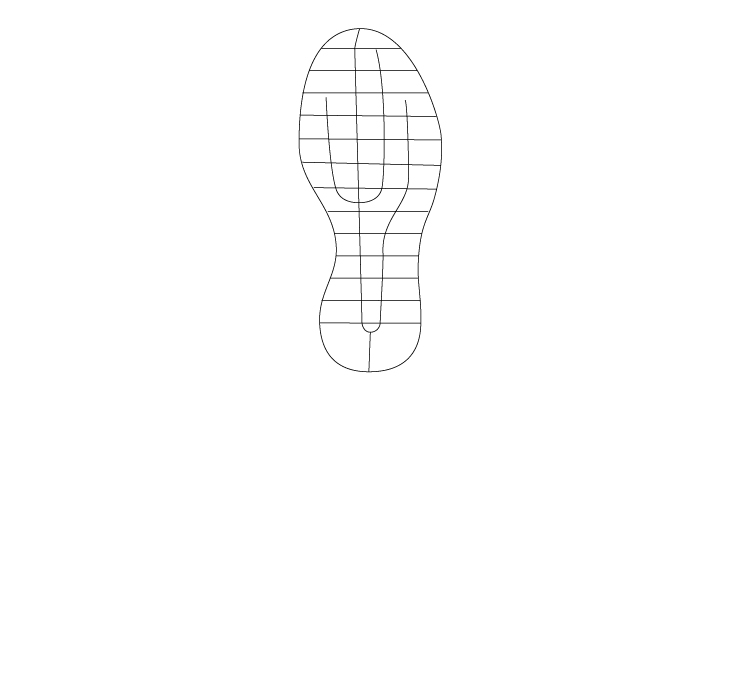
Carbon Fibre Shank / Stiffener
Carbon plates can be applied to the shoe to reduce flexion/rotation in the foot and used with a rocker sole to reduce strain on joints and assist in normalising gait.
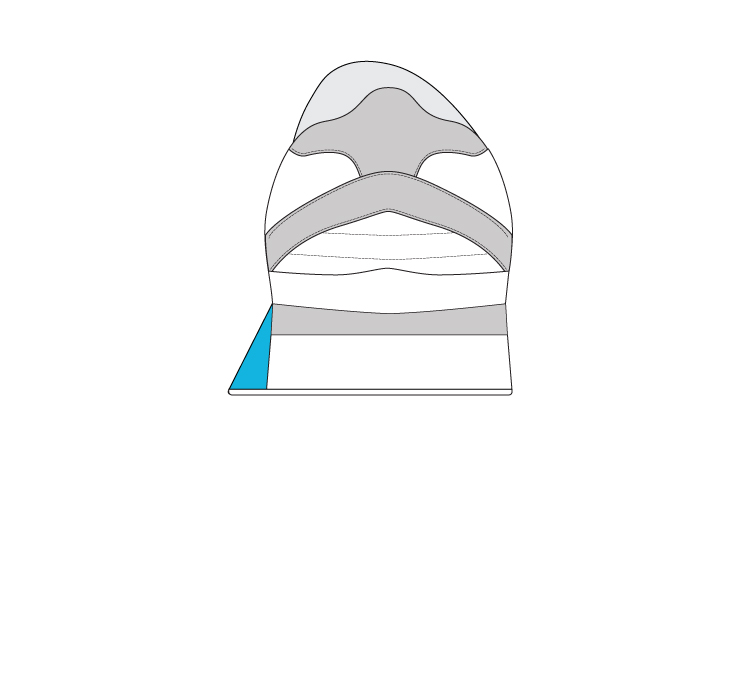
Flare
It increases the stability of the shoe and gently forces the foot away from the modified side.
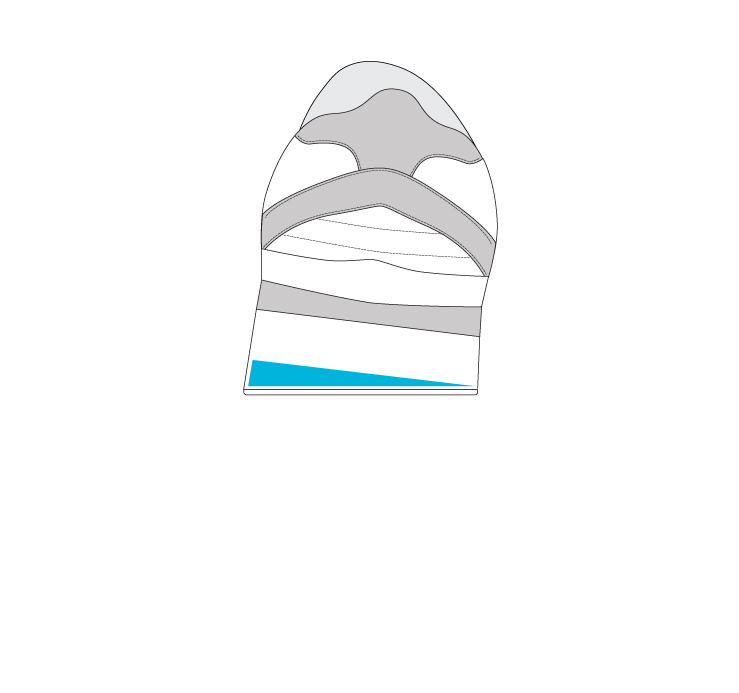
Wedge / Tilt
It is used to improve the foot and leg biomechanics and reduce joint stress. It can be applied medially or laterally.
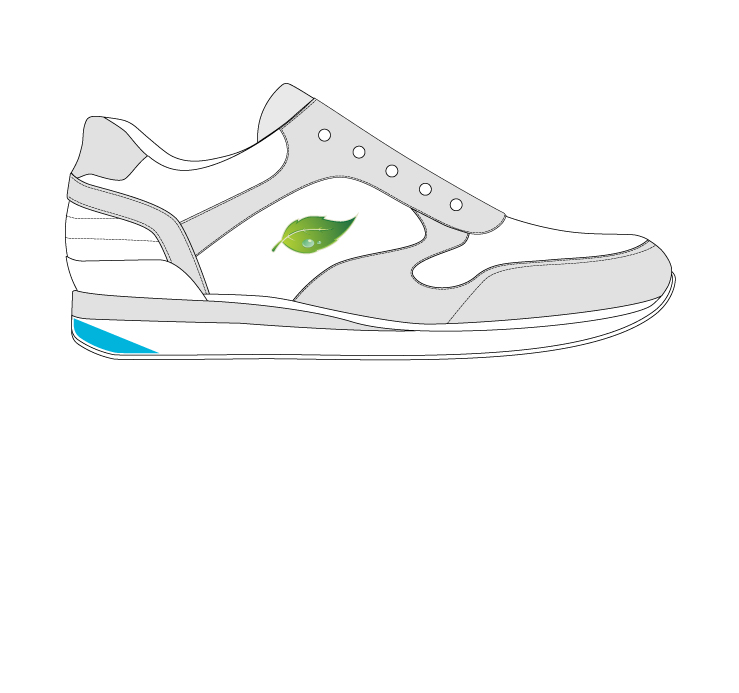
SACH Heel
Solid Ankle Cushion Heel is used to reduce shock at heel strike as well as promoting pronation or supination of the subtalar joint with mobility.
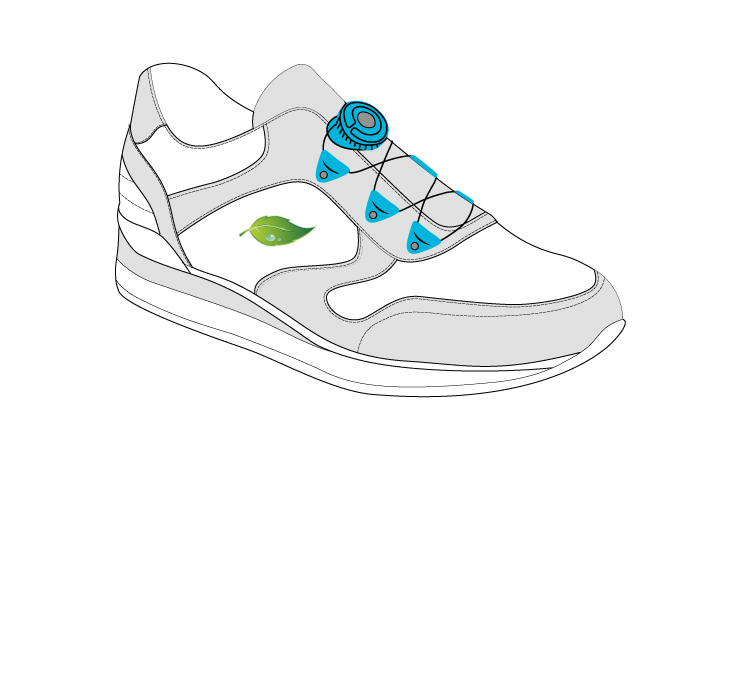
Click Medical (Boa) Closure
Patients can easily adjust to the optimal fit of their device throughout the day, quickly adapting to changes in activity or support needs.
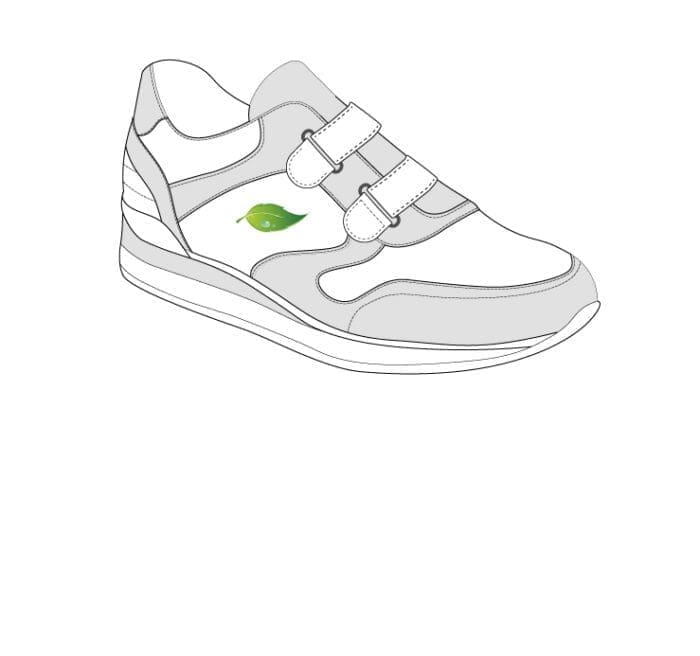
Velcro Dee on Lateral Side
Patients with hand limitations find it easier to pull the velcro strap to the medial side of the shoe.
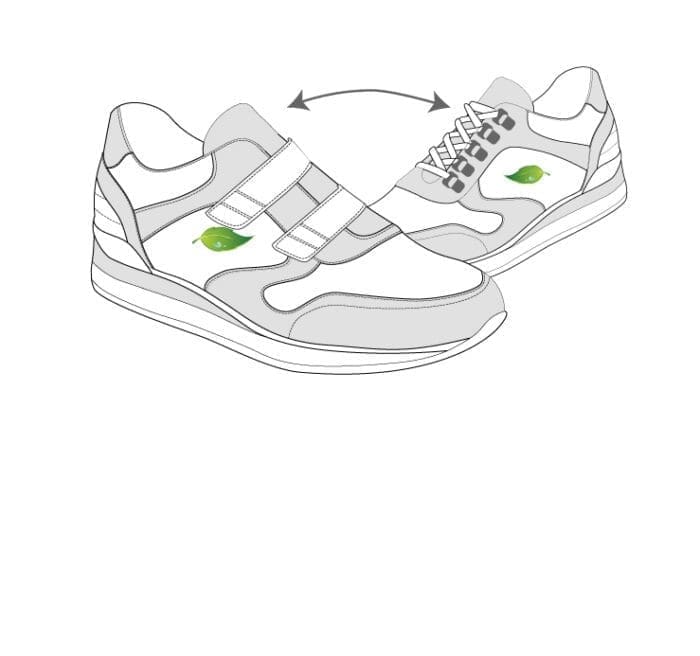
Lace to Velcro Conversion
Replace laces with Velcro straps. Also can change Velcro to laces.
When Modifications May Not Be Suitable
Modifications are clinical interventions prescribed based on assessment. Not all footwear or situations are appropriate for modification.
Unstable or worn footwear
Shoes with worn soles, broken heel counters, or structural damage may not be suitable for modification.
Soft or fashion footwear
Flimsy shoes without adequate structure cannot support clinical modifications and may become unsafe.
Certain medical conditions
Some modifications may not be appropriate depending on your specific condition. Assessment determines suitability.
Footwear too small or wrong fit
Modifications cannot compensate for fundamentally ill-fitting footwear. Proper fit must be established first.
Important: Clinical Assessment Required
Footwear modifications are clinical interventions. Suitability is assessed during your initial consultation. We will recommend the most appropriate solution for your needs, which may include modifications, new medical-grade footwear, or custom footwear.
Frequently Asked Questions
Need a Shoe Modification?
Our workshop at Tamworth can modify a wide range of footwear. Contact us to discuss your specific requirements.